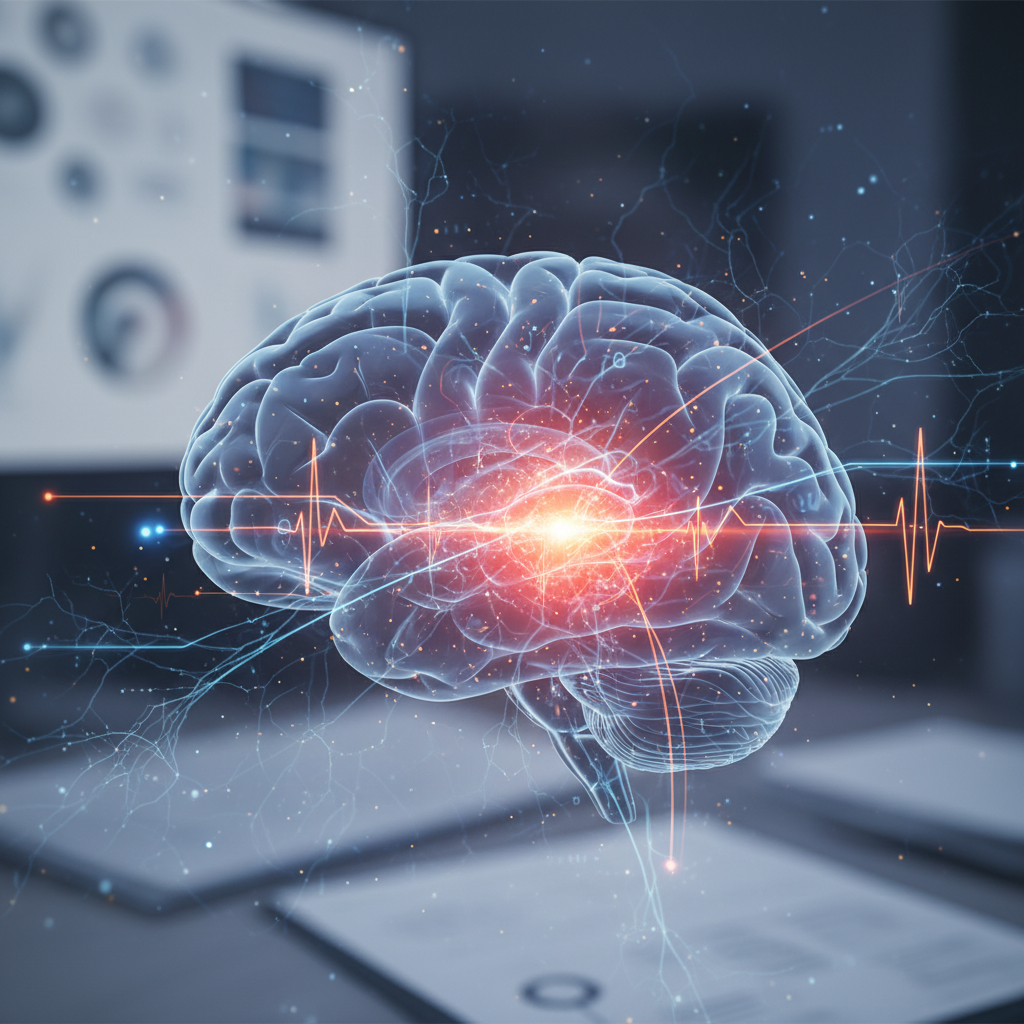
The hippocampus does more than store memories — it also helps the brain spot novelty and update what matters
The hippocampus does more than store memories — it also helps the brain spot novelty and update what matters
When people think about memory, they often picture the brain as a kind of storage system: experiences go in, get filed away, and can later be retrieved. But that picture is too simple. The brain does not treat every experience equally. It has to decide, constantly, what deserves attention, what should be strengthened, and what needs to be revised when something unexpected happens.
That is where the hippocampus comes in. It is one of the brain structures most closely associated with memory formation. The new headline suggests that a key memory centre responds to the unexpected. Broadly speaking, that idea fits with what researchers already know. The hippocampus does not appear to function only as a storage site for memories. It also seems to play an important role in detecting novelty and helping memory systems adjust when the world does not match expectations.
Still, the safest interpretation needs some restraint. The supplied evidence supports the broader idea that hippocampal memory systems are shaped by novelty and unexpected information. But it points more clearly to a wider network of novelty-related circuitry — including hypothalamic and neuromodulatory inputs — than to one newly proven hippocampal mechanism acting in isolation.
Why the unexpected matters so much for memory
From a biological perspective, surprise is useful. If something happens exactly as expected, the brain may not need to spend much energy updating its internal model of the world. But if something changes — a new face, a strange sound, an unfamiliar setting, a possible threat, or an unexpected opportunity — that is different. The nervous system receives a signal that there may be something important to learn.
That helps explain why surprising or emotionally striking events often become easier to remember. Novelty acts like a flag: pay attention, this may matter.
The hippocampus is central to that process because it is deeply involved in:
- episodic memory;
- contextual memory;
- linking elements of an experience together;
- and distinguishing familiar situations from new ones.
In practical terms, that means it helps the brain compare what is happening now with what has happened before.
What the supplied research actually shows
The evidence set supports, at a moderate level, the idea that hippocampal memory processing is influenced by novelty. One of the most mechanistically relevant studies, conducted in mice, identified a hypothalamic novelty hub that routes different kinds of new information to hippocampal subregions, shaping contextual and social memory.
That matters because it shifts the story away from a narrow idea that the hippocampus handles novelty on its own. Instead, it suggests that responses to novelty depend on circuit-level signalling that tells the hippocampus something relevant and unexpected has just occurred.
That makes memory look less like passive storage and more like active prioritization. The brain does not just record. It sorts, updates, and re-weights.
Another important part of the evidence comes from work on noradrenergic regulation, which shows that novelty and arousal-related neuromodulation can alter hippocampus-dependent synaptic plasticity and memory storage. Put more simply, surprise and heightened alertness can change how strongly the hippocampus encodes and consolidates an experience.
Taken together, these studies support a broader idea: unexpected events trigger circuit-level signals that modulate how hippocampal memory processing happens.
The hippocampus is central — but not alone
The phrase “key memory centre” may tempt readers to think of the hippocampus as a self-contained command post. But the evidence provided points to something more realistic and more interesting.
The hippocampus appears to be central, but it seems to work in constant conversation with other brain systems involved in novelty detection, arousal, and behavioural relevance. These include:
- hypothalamic circuits;
- neuromodulatory systems such as the noradrenergic system;
- attention and arousal networks;
- and areas involved in contextual and social meaning.
That broader network makes sense. The brain should not react in exactly the same way to every kind of novelty. A new physical environment, a social surprise, a possible threat, and an emotionally neutral but unusual event may all matter differently.
So rather than one novelty switch, the evidence suggests a distributed novelty-response system, with the hippocampus as an important participant but not the only one.
What it means to “update” memory
One of the most interesting implications of this research is that memory is not just about initial storage. It is also about updating.
When something unexpected happens, the brain may need to:
- strengthen an existing memory;
- create a new representation;
- separate a new context from an old one;
- or revise how important a past experience seems.
That process is essential for adaptation. If the brain treated all novelty as irrelevant, learning would be weak. If it treated every surprise as critically important, the system would become overloaded. The hippocampus seems valuable in part because it helps manage that boundary between what is familiar and what is worth updating.
What the evidence does not yet prove
For all the interest of these findings, there are clear limits to what can be claimed from the supplied evidence.
First, the PubMed papers provided do not directly describe the exact new study referenced in the headline. They support the general concept that novelty and unexpected information influence hippocampal memory processing, but they do not directly verify every detail of the newly reported work.
Second, the most mechanistically informative novelty-routing study was done in mice. That is useful for understanding basic brain circuitry, but caution is needed when translating those findings to human cognition. Human memory involves far more complexity in language, social meaning, and conscious reflection.
Third, one of the supplied articles concerns the hippocampus and implicit memory, which is related to hippocampal function but not directly focused on novelty or unexpected events. That means some of the supporting evidence is indirect rather than tightly matched.
So while the headline captures a real and important direction in neuroscience, it would be too strong to say that scientists have now fully explained how the brain responds to the unexpected.
Why this matters beyond the lab
Even with those caveats, the story matters because it challenges an old and limited view of memory. Remembering is not just about preserving the past. It is also about preparing for the future.
If the hippocampus helps the brain detect when something violates expectations, then memory is not just a static archive. It is a living system that compares prediction with reality and adjusts what gets learned.
That helps explain several familiar features of human experience. It may help explain why novelty can sharpen learning, why context matters so much in remembering events, and why moments of surprise or alertness can make some memories especially strong — or, in some cases, especially intrusive.
It also brings neuroscience closer to ordinary life. Most people know from experience that unexpected events leave a mark. A sudden change of plans, an unusual encounter, an alarming moment, a surprising piece of information — these experiences often stick in memory in a different way. The literature suggests that this is not accidental. It is part of how the brain decides what is worth updating.
The most balanced reading
The supplied evidence supports a moderately strong conclusion: the hippocampus does more than help store memories. It is influenced by novelty- and surprise-related signals that help shape how memory processing is updated. Animal studies suggest that different forms of new information can be routed to hippocampal subregions through specific novelty-related circuits, while research on noradrenergic modulation shows how arousal and novelty can alter plasticity and memory storage.
At the same time, the most responsible interpretation is that this is a story about a broader brain circuit, not a solitary hippocampus acting alone. It is also too early to say that the newly referenced work fully explains how the brain responds to the unexpected.
The safest conclusion, then, is this: when something surprising happens, the hippocampus appears to help the brain decide whether that information should be incorporated, separated, or used to update existing memory. But it does so as part of a larger system for novelty detection, attention, and biological modulation — not as a single isolated memory centre that explains the whole process on its own.