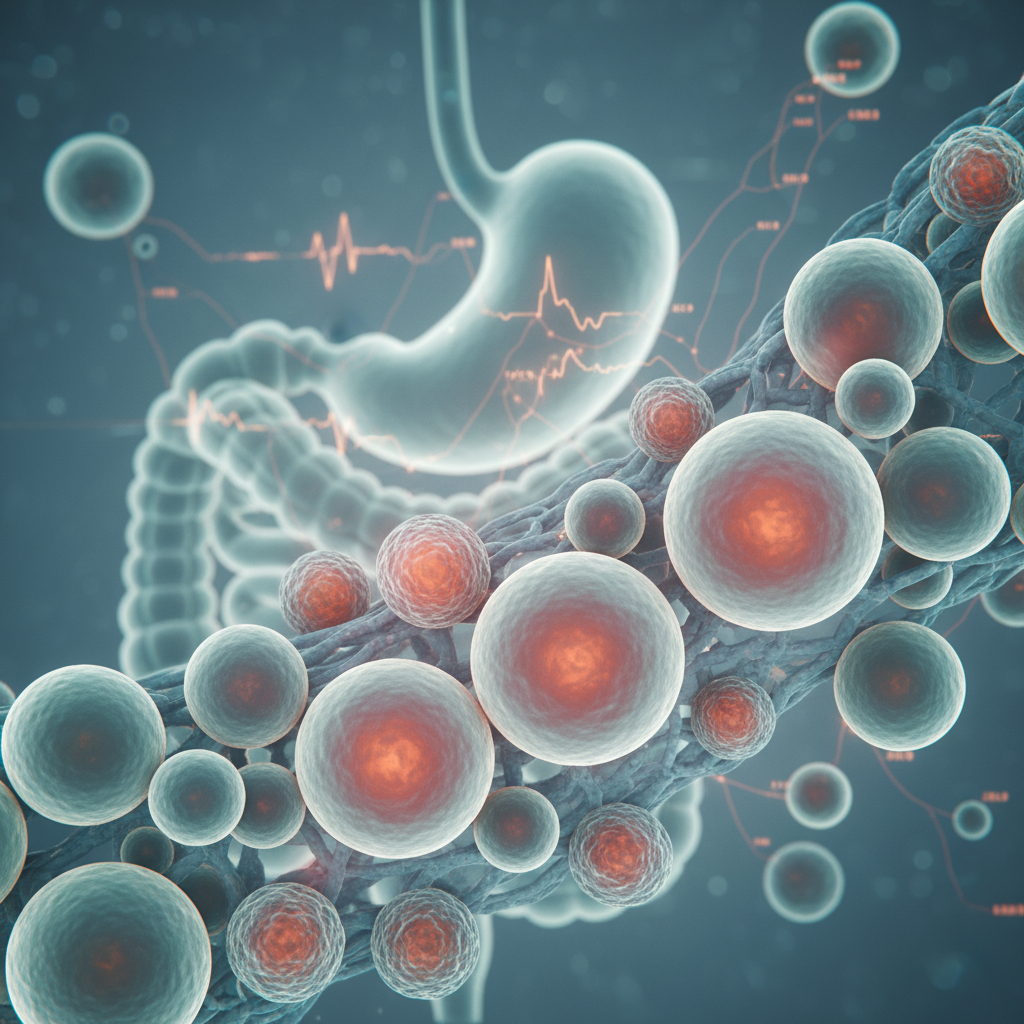
Fat cells may keep a ‘memory’ of obesity — and that could make it harder to maintain results after bariatric surgery
Fat cells may keep a ‘memory’ of obesity — and that could make it harder to maintain results after bariatric surgery
Bariatric surgery is one of the most effective interventions available for severe obesity and its metabolic complications. In many patients, it leads to major weight loss, better blood sugar control, reduced systemic inflammation, and meaningful improvement in diseases that once seemed difficult to reverse. But substantial weight loss does not necessarily mean the whole body has fully returned to a metabolically “lean” state.
That is what makes this story especially interesting. The central idea is that adipose tissue may carry a kind of metabolic memory of obesity — and perhaps related states such as prediabetes — even after large weight reduction. This memory is not psychological or behavioural. It is biological: a persistence of inflammatory, metabolic, and cellular abnormalities inside the fat tissue itself.
The safest reading of the evidence provided is this: adipose tissue, especially visceral fat, may continue to show metabolic and inflammatory dysfunction after major weight loss, including after bariatric surgery, and that may help explain why some people struggle to maintain metabolic gains or prevent weight regain.
The scale may improve before all fat tissue does
One of the most important findings in the supplied study is that major weight loss improves some markers of health more clearly than it improves adipose tissue itself. In both mouse models and a human bariatric surgery cohort, there was more obvious improvement in liver inflammation and systemic glucose homeostasis than in adipose tissue inflammation or adipocyte-autonomous insulin sensitivity.
That matters because it suggests the body does not “reset” all at once. The liver, blood sugar regulation, and some systemic markers may respond well to weight loss, while fat tissue remains, to some extent, stuck in an earlier metabolic state.
Put simply, a person may lose a great deal of weight and still have some body fat behaving like tissue that “remembers” obesity.
What this fat-cell “memory” actually means
The word memory can sound vague, but here it describes something fairly concrete. The study supports the idea that adipose tissue retains marks of an earlier obesogenic state, with inflammatory and metabolic abnormalities persisting even after substantial weight reduction.
That does not mean each fat cell literally “stores” a memory in the everyday sense. The point is that the cellular environment, inflammatory profile, and metabolic behaviour of adipose tissue may remain altered despite major weight loss.
This concept of metabolic memory matters because it offers a biologically plausible explanation for something seen in real life: some people do very well after bariatric surgery, but still find it harder than expected to maintain all of those improvements over time.
Visceral fat appears especially resistant to full recovery
The supplied study draws particular attention to visceral adipose tissue, the fat stored around internal organs and most strongly linked to cardiometabolic risk. Even after successful weight reduction, that tissue remained metabolically abnormal compared with lean controls.
That finding reinforces the idea that not all body fat responds in the same way or on the same timeline. Visceral fat is more closely associated with inflammation, insulin resistance, and metabolic complications. If it remains abnormal even after major weight loss, that helps explain why the body may remain biologically vulnerable despite obvious improvements.
This is not only about body size or the number on the scale. It is also about the metabolic quality of the tissue that remains.
Why this could matter for maintaining weight loss
The headline links this lingering fat-tissue memory to the difficulty some people have maintaining weight loss after bariatric surgery. The supplied evidence supports that connection as a plausible mechanism, but not as a proven single cause.
The logic makes sense: if part of adipose tissue remains dysfunctional, inflamed, or metabolically altered, it could make long-term stability harder. There may be biological pressure towards older metabolic patterns, less efficient insulin-related responses in fat cells, and persistent inflammatory signalling that does not disappear as quickly as body weight does.
But the nuance matters. The study does not prove that fat-cell memory alone causes post-surgical weight regain. Long-term weight maintenance also depends on appetite, eating patterns, environment, sleep, physical activity, mental health, gut hormones, the type of surgery performed, and ongoing clinical support.
What the study does — and does not — show
The main strength of the evidence is that it directly supports the concept of obesogenic memory or residual adipose dysfunction after weight loss. That is important and biologically persuasive.
But there are also clear limitations. First, the evidence focuses more on obesity-related memory and lingering adipose abnormalities than specifically on prediabetes, even if that framing makes sense within the broader metabolic story.
Second, only one PubMed article was provided, which limits the depth of replication in the evidence set. Third, some of the findings come from mouse models, and the human results suggest heterogeneity rather than a uniform response in all patients.
So the biology is plausible, but it should not be presented as a complete or universal explanation.
This does not mean bariatric surgery is ineffective
This may be the most important point for readers. Talking about a metabolic memory in fat tissue does not mean bariatric surgery fails. Quite the opposite: the study’s own framework begins from the fact that surgery provides major real benefits.
Weight, glucose control, and systemic inflammation can improve substantially. The stronger message is not failure, but complexity. Bariatric surgery may work very well and still not erase every molecular and inflammatory change built up over years of obesity.
That distinction matters because it prevents a common mistake: turning a biologic limit into an argument against an effective treatment. What the evidence suggests is something more refined — even when treatment works, some tissues may take longer to recover fully.
Why this matters now
For a long time, weight loss was treated almost like a binary event: either someone loses weight and “fixes” the problem, or they do not and remain at risk. More recent research is showing that metabolism is more stubborn than that.
Increasingly, scientists are trying to explain why the body responds to weight loss so unevenly. Why do some patients maintain improvements for years while others struggle more to hold onto them? Why do some markers normalize quickly while others lag behind? The idea of adipose tissue memory fits directly into that question.
And that changes the conversation. It moves some of the focus away from blame or willpower and towards residual biology. That is not only more accurate. It may also be more helpful for care.
What this could change in practice
If future work confirms and expands this idea of metabolic memory in adipose tissue, it could influence how patients are followed after major weight loss. Instead of assuming surgery “fixed everything” biologically, care may move towards longer and more targeted follow-up.
That could mean closer attention to persistent metabolic markers, more intensive weight-maintenance strategies, added therapies, and a less simplistic understanding of weight regain. In some patients, regaining weight may reflect not only behaviour but also residual tissue biology that remained altered.
That shift in perspective could matter to both clinicians and patients because it makes the post-bariatric period less moralized and more physiologically grounded.
The most balanced reading
The safest interpretation is this: adipose tissue may retain a metabolic and inflammatory memory of obesity even after major weight loss, including after bariatric surgery, and that may help explain why some people have more difficulty maintaining metabolic benefits or avoiding weight regain.
The evidence provided supports that framing well. The study shows that major weight loss improves liver inflammation and systemic glucose homeostasis more clearly than it corrects adipose inflammation or insulin sensitivity inside fat cells. It also shows that visceral adipose tissue can remain metabolically abnormal compared with lean individuals.
But the limits need to stay in view: this does not prove that fat-cell memory is the only cause of weight regain, it does not show the same response in every patient, and it does not undermine the major benefits of bariatric surgery.
In the end, the most useful message may be this: major weight loss can transform health, but the body does not always forget where it has been. And in adipose tissue, that biological past may influence the future more than many people realized.